
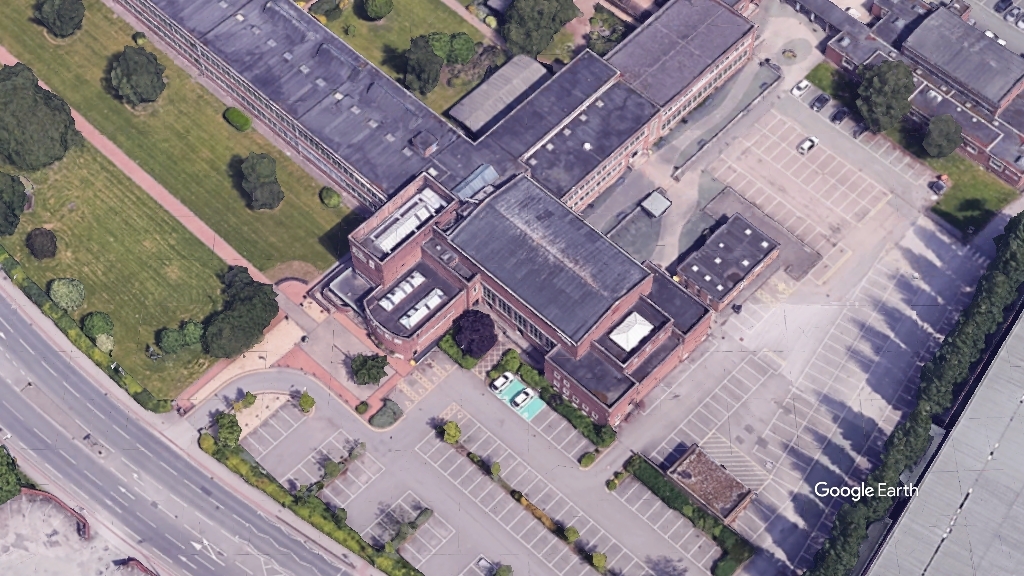
The city’s largest theatre and concert venue could be getting a much-needed refresh, with the educational institution and Theatr Clwyd looking to appoint a consultancy to conduct a feasibility study to plot the course of its future.
William Aston Hall, as it stands, can accommodate 1,200 people. Initially conceived as a lecture hall, it has morphed into a cultural hub for Wrexham and has hosted shows from Jimmy Carr, Sarah Millican, and Katherine Ryan.
While the building is a staple in the Wrexham performing arts scene, the university has clocked that it has issues around accessibility, seating flexibility, acoustics, and more.
Thus, the drive to re-evaluate its future through a RIBA Stage 1 study, which has been made possible through a £40,000 grant from the Arts Council of Wales and £10,000 in match funding from the university.
The procurement documents acknowledge that it is not the largest funding pot to work with.
“The university recognises that the budget is modest for a venue of this complexity,” the ad reads.
“Tenderers are therefore expected to propose a proportionate methodology which prioritises the work needed to make the next decisions. If tenderers consider that some elements cannot be delivered within the available budget, this should be stated clearly with proposed prioritisation.”
The contract would run from 9 November to 4 March 2027, with the possibility of extending it to 4 September of that same year.
Paul Moran, interim head of estates and campus management at the university said: “The RIBA study will allow us to understand the building and its constraints, look at how the Hall currently works, test realistic options, identify risks, prepare outline costs, and phasing, and recommend the next steps.
“It is not a decision to carry out any works just yet,” he clarified.
“It will help us work out the right level of future investment and allow us to plan properly. That could mean targeted improvements, phased refurbishment, accessibility upgrades, technical improvements, front-of-house improvements, environmental upgrades, or a larger future capital project if the evidence supports it.”
The bid to improve William Aston Hall comes as Wrexham eagerly awaits a decision on its city of culture bid for 2029 – a competition that sees it faces off against the likes of Blackpool, Inverness-Highland, Ipswich, Middlesbrough, Milton Keynes, Portsmouth, Sheffield, and Swindon.